









Psilocybin Research and Mental Health: What You Need to Know
Introduction
Psilocybin, the active compound found in certain “magic mushrooms,” has gained significant attention in recent years for its potential applications in mental health treatment. While public interest in psilocybin has grown, it is important to understand the scientific research, potential benefits, safety considerations, and legal framework surrounding its use. This article provides an evidence-based overview to help readers stay informed.such as psilocybin chocolate
What Is Psilocybin?
Psilocybin is a naturally occurring psychedelic compound that, when ingested, converts into psilocin in the body. Psilocin interacts with serotonin receptors in the brain, primarily the 5-HT2A receptor, which affects mood, perception, and cognition.
Psilocybin is known for producing:
-
Altered sensory perception
-
Heightened emotional awareness
-
Introspective or reflective experiences
-
Changes in the sense of time and self
These effects have led researchers to investigate psilocybin as a potential tool for mental health therapy.
Legal Status
In Canada and many other countries, psilocybin is classified as a controlled substance. This means:
-
Possession without authorization is illegal
-
Sale or distribution is prohibited
-
Research and medical use require special exemptions
Health Canada has allowed limited access to psilocybin for patients with treatment-resistant conditions under supervised programs. However, recreational use remains illegal.
Psilocybin and Mental Health Research
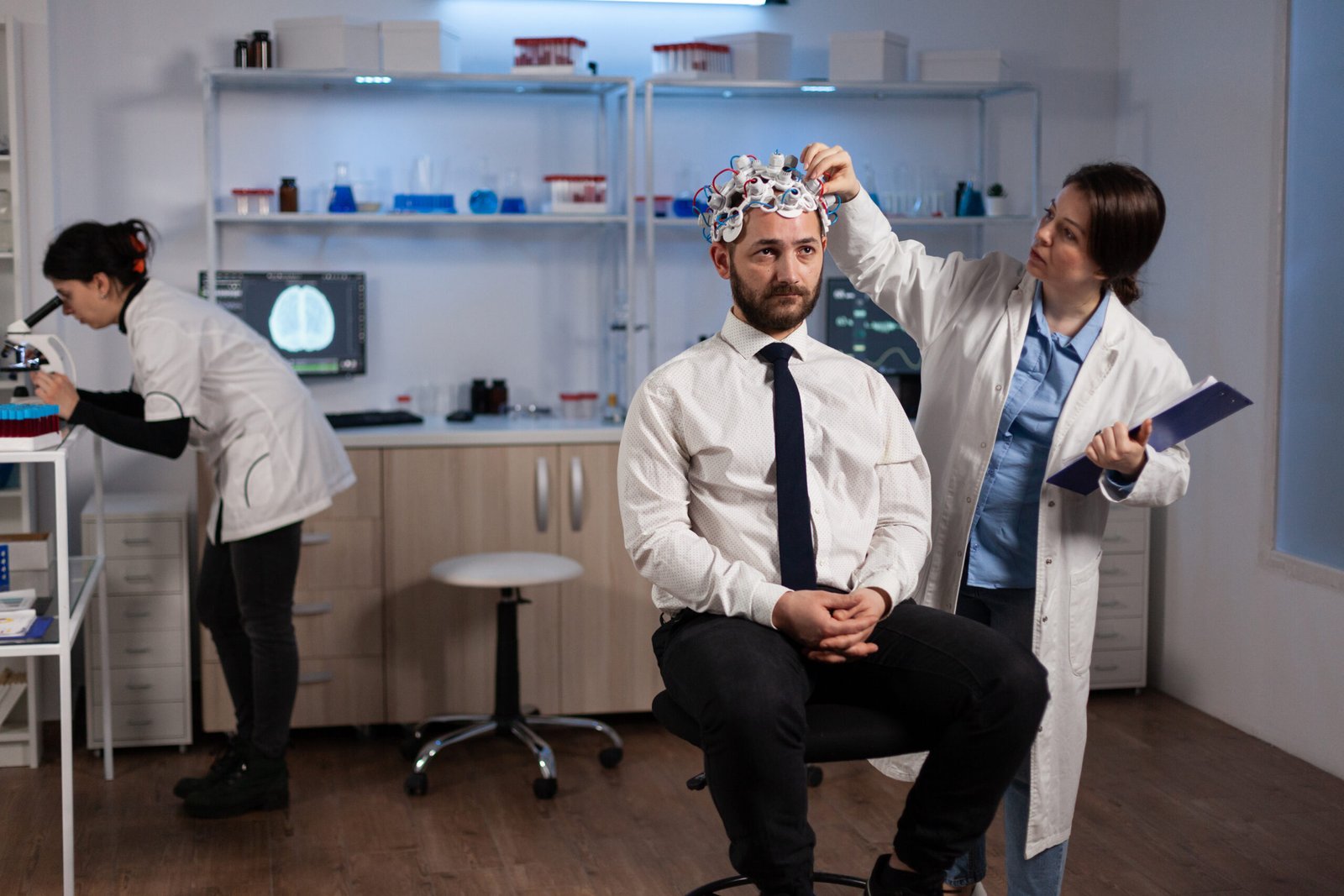
Scientific studies have shown that psilocybin may have significant therapeutic potential when administered in controlled, clinical settings. Key areas of research include:
Depression
Clinical trials have demonstrated that psilocybin-assisted therapy can reduce symptoms of treatment-resistant depression. Participants often report rapid improvements in mood and outlook after guided sessions combined with psychotherapy.
Anxiety and End-of-Life Distress
Psilocybin has been studied as a potential treatment for anxiety and emotional distress in patients facing terminal illness. Research suggests that supervised psilocybin experiences can help reduce fear and improve quality of life.
Post-Traumatic Stress Disorder (PTSD)
Although still in early stages, psilocybin-assisted therapy is being explored as a potential aid for trauma processing and reducing PTSD symptoms.
Substance Use Disorders
Some studies indicate psilocybin may help reduce dependency behaviors in individuals struggling with addictions, particularly when paired with structured therapy programs.
How Psilocybin Therapy Works
Psilocybin therapy typically involves:
-
Screening: Assessing mental health history and identifying contraindications.
-
Guided Sessions: Administering controlled doses of psilocybin under professional supervision.
-
Integration Therapy: Processing the experience afterward with a trained therapist to apply insights to daily life.
Research emphasizes that the benefits are closely linked to controlled environments and professional support. Unsupervised or recreational use carries higher risks.
Safety Considerations
While psilocybin is generally considered non-addictive, it carries potential psychological and physical risks, including:
-
Anxiety, panic, or “bad trips”
-
Confusion or emotional distress
-
Temporary increases in heart rate and blood pressure
-
Triggering underlying mental health conditions, such as psychosis or bipolar disorder
Individuals with a history of serious mental illness are advised against using psilocybin outside of clinical research settings.
The Future of Psilocybin Research
Psilocybin research continues to expand, with increasing interest from universities, hospitals, and medical institutions worldwide. Key developments include:
-
Large-scale clinical trials evaluating long-term effects
-
Studies on neuroplasticity and brain connectivity
-
Exploration of psilocybin-assisted therapy for diverse mental health conditions
Policymakers are also considering frameworks to allow supervised therapeutic use in the future. However, widespread legal access remains limited at present.
Public Awareness and Education
Given the rise of public interest, education and harm reduction are essential. Key points include:
-
Understanding the legal status before engaging with psilocybin
-
Relying on credible scientific research rather than anecdotal online claims
-
Recognizing personal mental health history to avoid adverse effects
-
Prioritizing professional guidance and supervision for therapy
Responsible awareness helps minimize risks and ensures that psilocybin’s potential benefits are approached safely.
Conclusion
Psilocybin has emerged as a promising area of mental health research, particularly for depression, anxiety, PTSD, and substance use disorders. While preliminary studies show potential benefits, use outside supervised, clinical settings is illegal and carries significant risks.
Education, scientific understanding, and legal awareness are crucial for anyone exploring psilocybin. As research advances, carefully controlled therapeutic applications may become more widely accessible, but responsible engagement and adherence to legal frameworks remain essential today.