








How Modern Microwave Systems Improve Pest Control
Shashel is a modern wood treatment system that uses microwave technology to improve pest control inside wooden structures. Unlike traditional chemical methods, microwave systems work by generating heat inside the material itself, which allows them to target pests that live deep within wood. This approach is changing how woodworm and other wood-boring insects are treated in homes and industries.For more details visit Shashel
In this article, we will explain how modern microwave systems improve pest control and why they are becoming an important part of modern wood protection.
The Problem with Traditional Pest Control
Traditional pest control methods mostly rely on chemical sprays, injections, or surface treatments. These methods have been used for many years, but they also have clear limitations.
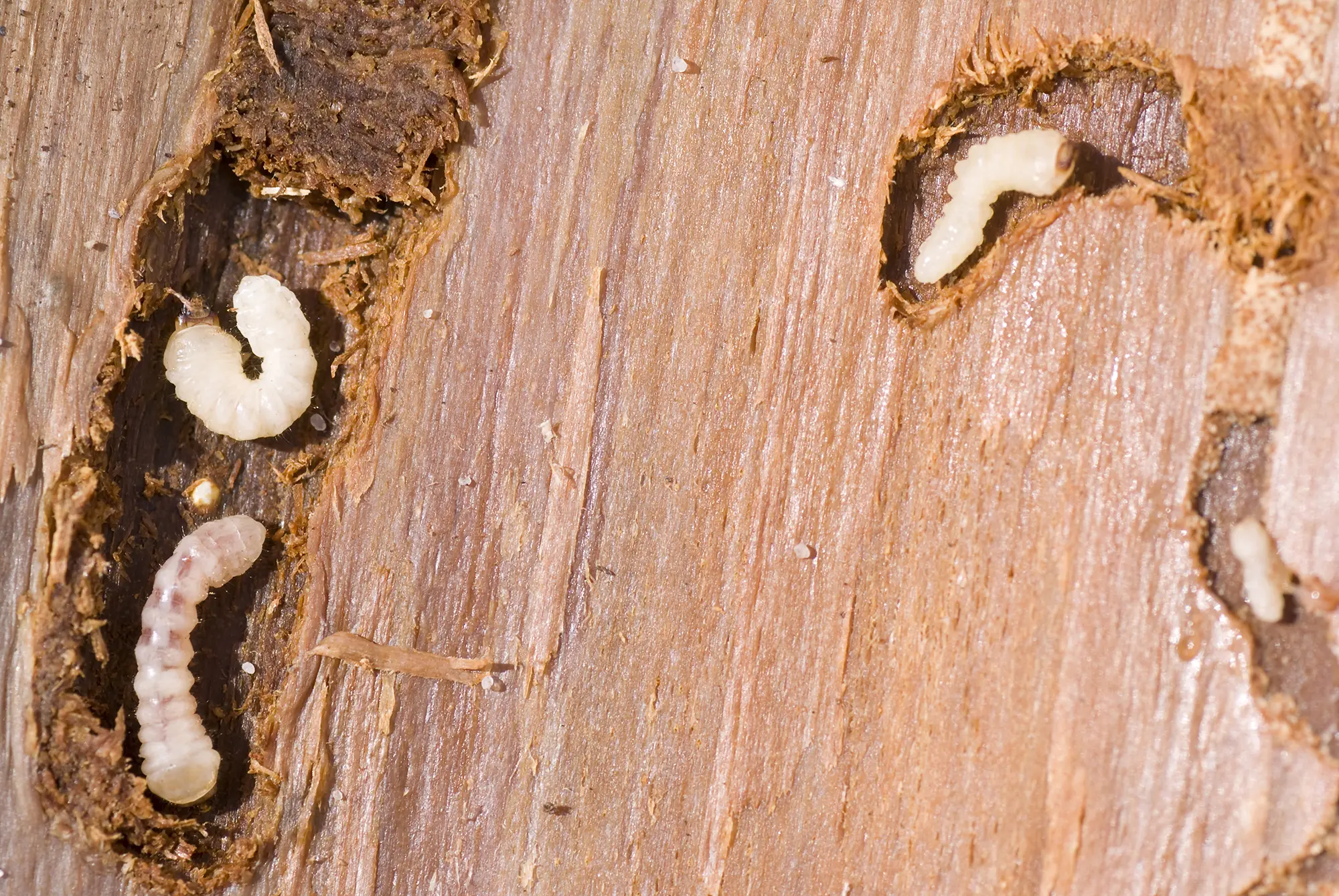
The main issue is depth. Wood-boring insects do not live on the surface. They live inside wood, creating tunnels and spreading damage over time. Chemical treatments often struggle to fully reach these hidden areas.
Other limitations include:
- Uneven penetration into thick wood
- Possible chemical residues inside wood
- Repeated treatments in some cases
- Limited effectiveness against deep infestations
Because of these challenges, newer technologies like microwave systems have been developed.
Introduction to Microwave Pest Control Systems
Modern microwave systems like Shashel use controlled electromagnetic energy to heat wood internally. This heat is generated within the structure, not just on the surface.
The basic process is simple:
Microwave energy enters wood → internal heat is created → pests are eliminated
This method allows treatment of hidden insect colonies without breaking or damaging the wood.
How Microwave Technology Improves Pest Control
Microwave systems improve pest control in several important ways.
Deep Penetration Into Wood
One of the biggest advantages is deep penetration. Microwave energy can reach inside wood layers where insects live.
This is important because woodworm larvae often live several centimeters deep inside beams and furniture. Surface treatments cannot always reach them, but microwave systems can affect the entire internal area.
Internal Heat Generation
Instead of applying chemicals, microwave systems generate heat inside the wood itself.
When the internal temperature rises:
- Larvae cannot survive
- Eggs are destroyed
- Adult insects are eliminated
This makes the treatment more complete and effective.
Complete Life Cycle Elimination
Modern microwave systems are effective against all stages of insect life.
Wood pests go through:
- Egg stage
- Larval stage
- Adult stage
Chemical treatments may miss eggs hidden deep inside wood, but microwave heat affects all stages at once, reducing the chance of reinfestation.
No Chemical Dependency
Another major improvement is the removal of chemical dependency.
Microwave systems do not require toxic substances, which means:
- No chemical fumes
- No residue left behind
- No indoor air contamination
This makes pest control safer for indoor environments.
Improved Safety for Homes
Because no chemicals are used, microwave pest control is safer for residential use.
It is suitable for:
- Homes with children
- Indoor furniture treatment
- Enclosed living spaces
- Sensitive environments
This makes it a more user-friendly solution compared to traditional methods.
Protection of Wood Structure
Microwave systems treat pests without damaging the external structure of wood when properly controlled.
This is especially useful for:
- Antique furniture
- Wooden interiors
- Structural beams
- Decorative woodwork
The wood remains intact while internal pests are removed.
Faster Treatment Process
Microwave systems can reduce treatment time compared to traditional chemical methods.
Since heat is generated internally, the effect on pests happens quickly, without waiting for chemicals to spread through the wood.
This improves efficiency in both small and large applications.
Better Results in Deep Infestations
Deep infestations are difficult to treat using surface chemicals. Microwave systems improve results by directly targeting the internal environment where insects live.
This reduces the chances of surviving pests and helps prevent future damage.
Environmental Benefits
Modern microwave pest control systems are also better for the environment.
They reduce:
- Chemical waste
- Toxic emissions
- Soil and air pollution
This makes them a more eco-friendly alternative for pest control.
Role of Shashel in Modern Pest Control
Shashel is one example of a microwave-based system designed for wood treatment. It applies controlled microwave energy to eliminate pests inside wood structures.
Its main focus is:
- Deep internal treatment
- Chemical-free operation
- Safe use in residential and industrial environments
This makes it a modern tool in pest control technology.
Future of Pest Control Technology
Microwave systems are becoming more important as industries move toward safer and cleaner solutions. The future of pest control is expected to focus more on:
- Energy-based treatments
- Chemical-free solutions
- Environmentally safe methods
Shashel represents this shift toward modern pest control technology.
Final Conclusion
Modern microwave systems improve pest control by offering deep penetration, internal heat generation, and chemical-free treatment. They are more effective against hidden wood pests compared to traditional methods, especially in cases of deep infestation.
Shashel uses this technology to provide a safe, fast, and efficient way to eliminate wood-damaging insects from inside the wood, making it a strong example of how pest control is evolving toward cleaner and more advanced solutions.