










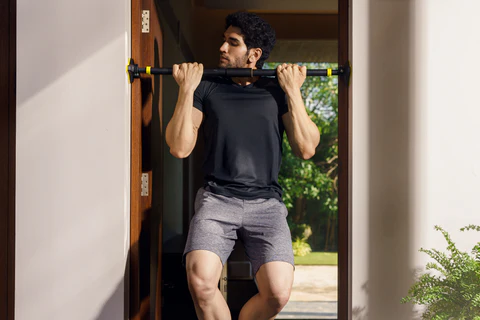
Tips for Maximizing Pull-Up Workouts at Home
Pull-ups are a fundamental exercise for building upper-body strength, but performing them effectively at home requires the right approach and tools. With limited equipment and space, optimizing your workouts ensures steady progress and reduces the risk of injury. One of the most versatile tools for home pull-up training is stretch bands for pull-ups , which provide assistance for beginners or added resistance for advanced users. By incorporating these bands strategically, you can improve your form, increase repetitions, and target different muscle groups. The following tips will help you maximize your pull-up workouts in any home setting.
Using Stretch Bands for Pull-Up Assistance
Stretch bands for pull-ups are excellent for building strength gradually, especially if you cannot perform full pull-ups yet. Loop the band over the pull-up bar and place your foot or knee inside it to reduce the amount of body weight you lift. This assistance allows you to complete more repetitions while maintaining proper form. Over time, switch to lighter bands to increase difficulty and build muscle. Using bands consistently helps you progress safely, improves confidence, and allows you to train more frequently without overexerting your muscles.
Focusing on Proper Form and Technique
Maintaining proper pull-up form is crucial for maximizing results and preventing injuries. Engage your core, retract your shoulder blades, and pull your body upward in a controlled motion. Avoid swinging or using momentum, as this reduces the effectiveness of the exercise. Stretch bands for pull-ups can help reinforce correct form by providing controlled assistance during the movement. Concentrating on smooth, deliberate repetitions ensures that the target muscles, including the lats, biceps, and shoulders, are activated fully for optimal strength gains.
Varying Grip Positions for Muscle Engagement
Changing your grip position during pull-ups targets different upper-body muscles and prevents plateaus. Wide grips emphasize the lats, while close or neutral grips engage the biceps and forearms more. Some pull-up bars also allow for angled or rotating grips to increase variety. Combining these grips with stretch bands for pull-ups can provide the right level of assistance or resistance for each variation. Varying your hand placement in training ensures balanced muscle development and keeps workouts challenging and engaging.
Incorporating Complementary Exercises
To maximize pull-up performance, include exercises that strengthen related muscles. Rows, push-ups, inverted rows, and core exercises like planks complement pull-ups by building back, shoulder, and core strength. Stretch bands for pull-ups can also be used for these movements to increase or decrease resistance as needed. Including accessory exercises in your routine ensures that weak points are addressed and helps maintain proper form during full pull-ups. This approach creates a more balanced and effective home workout program.
Progressive Overload and Tracking Progress
Progressive overload is key to continued improvement in pull-ups. Gradually reduce the assistance from stretch bands or increase the number of repetitions and sets over time. Tracking your progress using a workout journal or fitness app helps you stay accountable and identify areas that need improvement. Structured progression, combined with consistent use of stretch bands for pull-ups, ensures steady gains in strength, endurance, and overall performance. Monitoring your progress also keeps you motivated and helps prevent training plateaus.
Conclusion: Enhancing Home Pull-Up Training
Maximizing pull-up workouts at home is achievable with proper technique, variety, and supportive tools like stretch bands for pull-ups. By focusing on form, using assistance strategically, varying grips, incorporating complementary exercises, and following progressive overload principles, you can achieve measurable strength gains. Stretch bands make training accessible for beginners and versatile for advanced users, providing a reliable way to enhance performance. With consistent effort and thoughtful planning, home pull-up workouts can be both effective and rewarding.